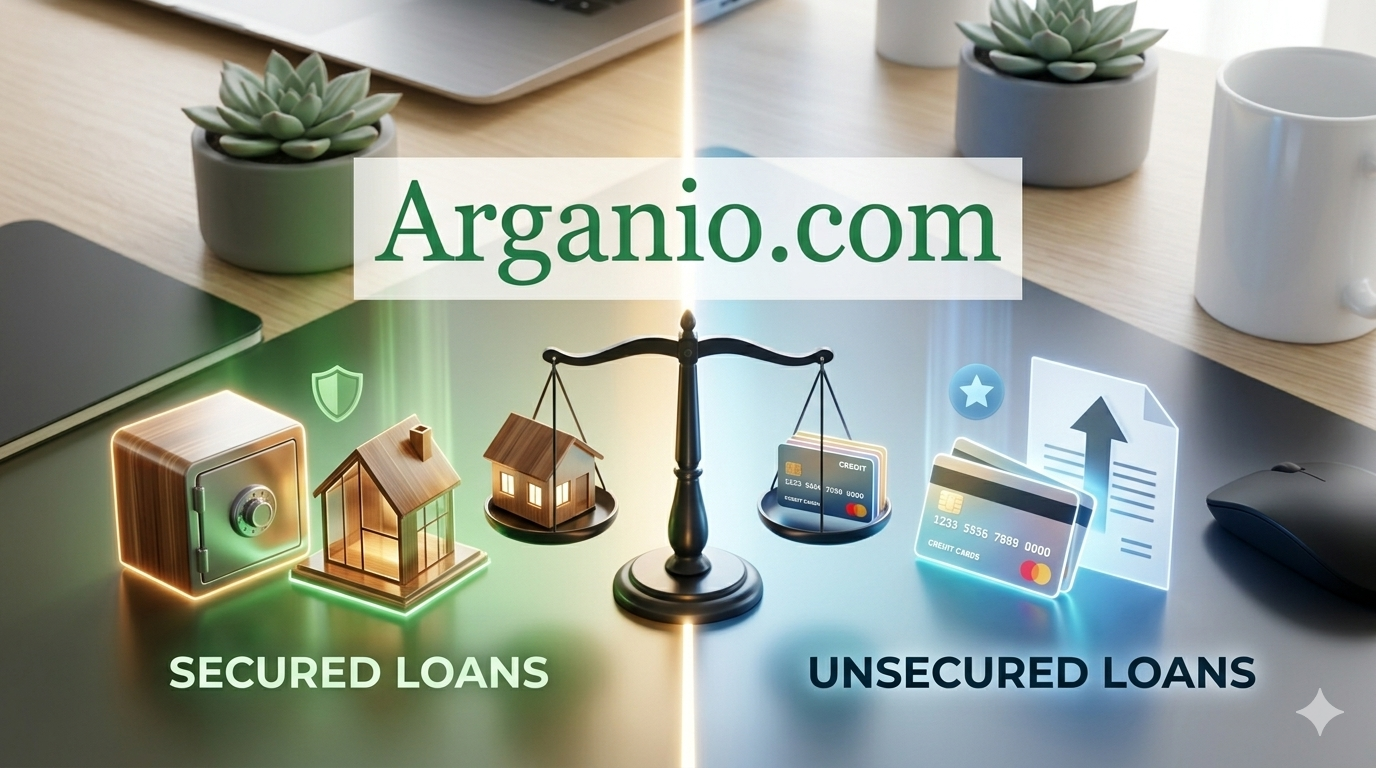
When you need to borrow money, you will often choose between secured vs. unsecured loans. Both options have unique features that affect your interest rates, borrowing limits, and personal risks. Understanding the mechanics of secured vs. unsecured loans is vital for any borrower. This guide will compare secured vs. unsecured loans to help you make an informed decision for your financial health.
What Are Secured Loans?
Basically, secured loans are debts that require collateral to protect the lender. This collateral could be your house, car, or a savings account. Consequently, the lender faces less risk because they can seize the asset if you fail to repay. Because of this security, you often get lower interest rates than with other options. Most people compare secured vs. unsecured loans when they need a large amount of money for a long period.
What Are Unsecured Loans?
In contrast, unsecured loans do not require any collateral or physical assets. Lenders approve these applications based on your creditworthiness and income history alone. Therefore, the lender takes a higher risk, which is why unsecured options usually have higher interest rates. If you read a personal loans guide for beginners, you will see that most small, quick loans fall into this category. Comparing secured vs. unsecured loans helps you see which one protects your personal assets better.
Key Differences in Secured vs. Unsecured Loans
The main difference in secured vs. unsecured loans is what happens in the event of a default.
- Asset Risk: In secured vs. unsecured loans, the secured option puts your property at risk of foreclosure.
- Interest Rates: Usually, interest rates are lower in the secured side of secured vs. unsecured loans.
- Credit Impact: Both affect your score, so you must improve your credit score to get approved for either type at a low cost.
Benefits of Choosing Secured Options
If you have a lower credit score, you might find it easier to get a secured loan because the asset provides a guarantee. Furthermore, these loans often allow for higher borrowing limits compared to unsecured ones. By comparing secured vs. unsecured loans, you can see that providing collateral gives you more leverage with the bank.
Benefits of Choosing Unsecured Options
Most borrowers prefer unsecured options because they do not want to risk their homes or cars. These loans are perfect for a debt consolidation loans guide where you want to simplify debt without adding more risk to your physical assets. Analyzing secured vs. unsecured loans ensures you don’t over-collateralize your life unnecessarily.
Conclusion
In conclusion, understanding secured vs. unsecured loans is essential before signing any legal contract. Both secured vs. unsecured loans serve different purposes depending on your specific needs and available assets. By evaluating the risks of secured vs. unsecured loans, you can protect your financial future. Always check the impact of interest rates on loans before making your final choice between secured vs. unsecured loans.